New Delhi – India’s enduring love affair with gold is under renewed scrutiny as surging prices of the precious metal significantly impact household wealth and the national economy. Cricket legend Sachin Tendulkar has even stepped into the fray, advocating for gold exchange to bolster India’s financial standing.
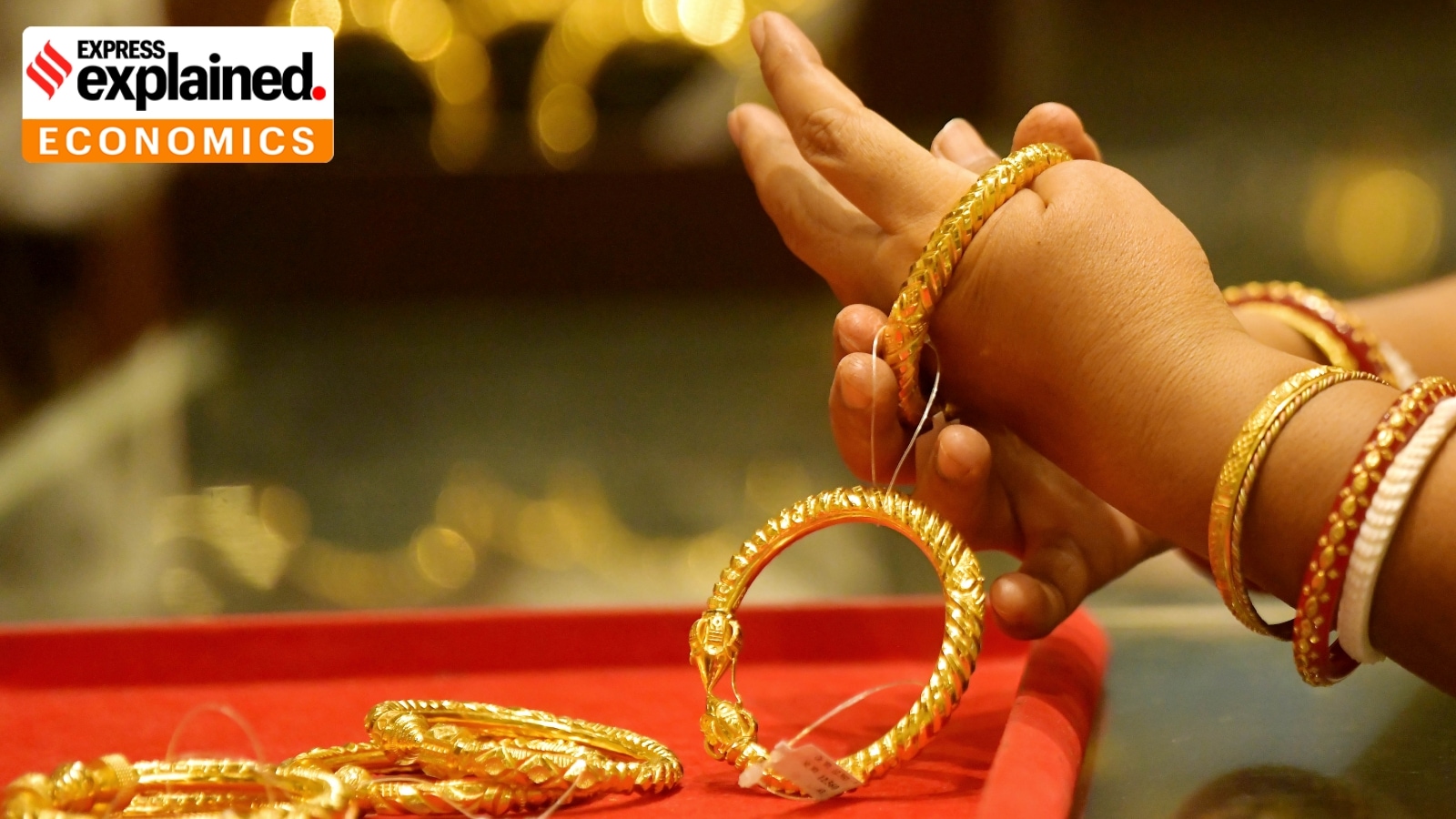
In a recent advertisement for Tanishq, a Tata-owned jewelry brand, Tendulkar urged Indians to exchange old gold for new jewelry, framing it as a patriotic act that would reduce the country’s reliance on gold imports. “India imports almost all its gold. But if you exchange your old gold (for new jewelry), then there will be no need to import gold. This will make our country stronger,” Tendulkar stated, effectively bridging the gap between sports enthusiasts, gold consumers, and the economics community.




The advertisement highlights a crucial economic reality: India’s heavy reliance on gold imports contributes to a widening merchandise trade deficit. This deficit forces India to expend more foreign currency than it earns from exports, putting downward pressure on the Indian rupee and increasing the cost of imported goods and services. Gold, as a major import commodity, plays a significant role in this dynamic.
India ranks second only to China in its appetite for gold. In 2024, Indian consumers purchased 803 tonnes of gold, according to the World Gold Council (WGC), trailing only China’s 857 tonnes. Together, these two nations account for over half of the global consumer demand for gold.

However, the sheer volume of gold held by Indian households is staggering. Morgan Stanley economists estimate that as of June 2025, Indian households possessed 34,600 tonnes of gold, valued at approximately $3.8 trillion – equivalent to 89% of India’s GDP. This vast store of wealth provides a positive wealth effect, amplified by factors such as lower interest rates and tax cuts, boosting disposable income.
Efforts to curb gold imports are not new. Former Reserve Bank of India (RBI) Governor Raghuram Rajan cautioned against excessive gold purchases a decade ago, when households sought refuge in gold to protect their savings from inflation. WGC data indicates that Indian gold consumption has decreased by nearly 20% since then, partly due to the RBI’s inflation-targeting policies, which have reduced average retail inflation from almost 10% in 2012-13 to an expected 2.6% in the current fiscal year.




Furthermore, Indians are diversifying their investments. RBI data reveals that the share of household savings allocated to mutual funds and equity investments doubled to 15.2% in 2024-25, driven by a surge in stock market participation. However, savings in physical assets, including gold and silver, remain significant. The trend for savings in the form of gold and silver ornaments has remained relatively stable, accounting for 0.7% of gross savings in 2023-24.
The recent surge in gold prices, driven by factors such as global economic uncertainty, geopolitical risks, and central bank purchases, has made existing gold holdings more valuable. Gold prices have risen by over 50% in the past year, surpassing Rs 1.3 lakh per 10 grams. This price increase has impacted affordability, leading jewelers to encourage the exchange of old gold for new jewelry, particularly during the festive season.
Despite a jump in gold imports in September, overall gold imports for the first half of 2025-26 are down 9%, indicating a potential shift in consumer behavior. Meanwhile, investments in gold and silver exchange-traded funds (ETFs) have surged, with inflows in gold ETFs up nearly seven times compared to last year. The demand for silver ETFs has been so high that some mutual fund houses have temporarily halted new investments due to a shortage of physical silver.
As India navigates its complex relationship with gold, the rising prices are creating both opportunities and challenges. While households benefit from increased wealth, the nation grapples with managing its trade deficit and encouraging sustainable investment practices.