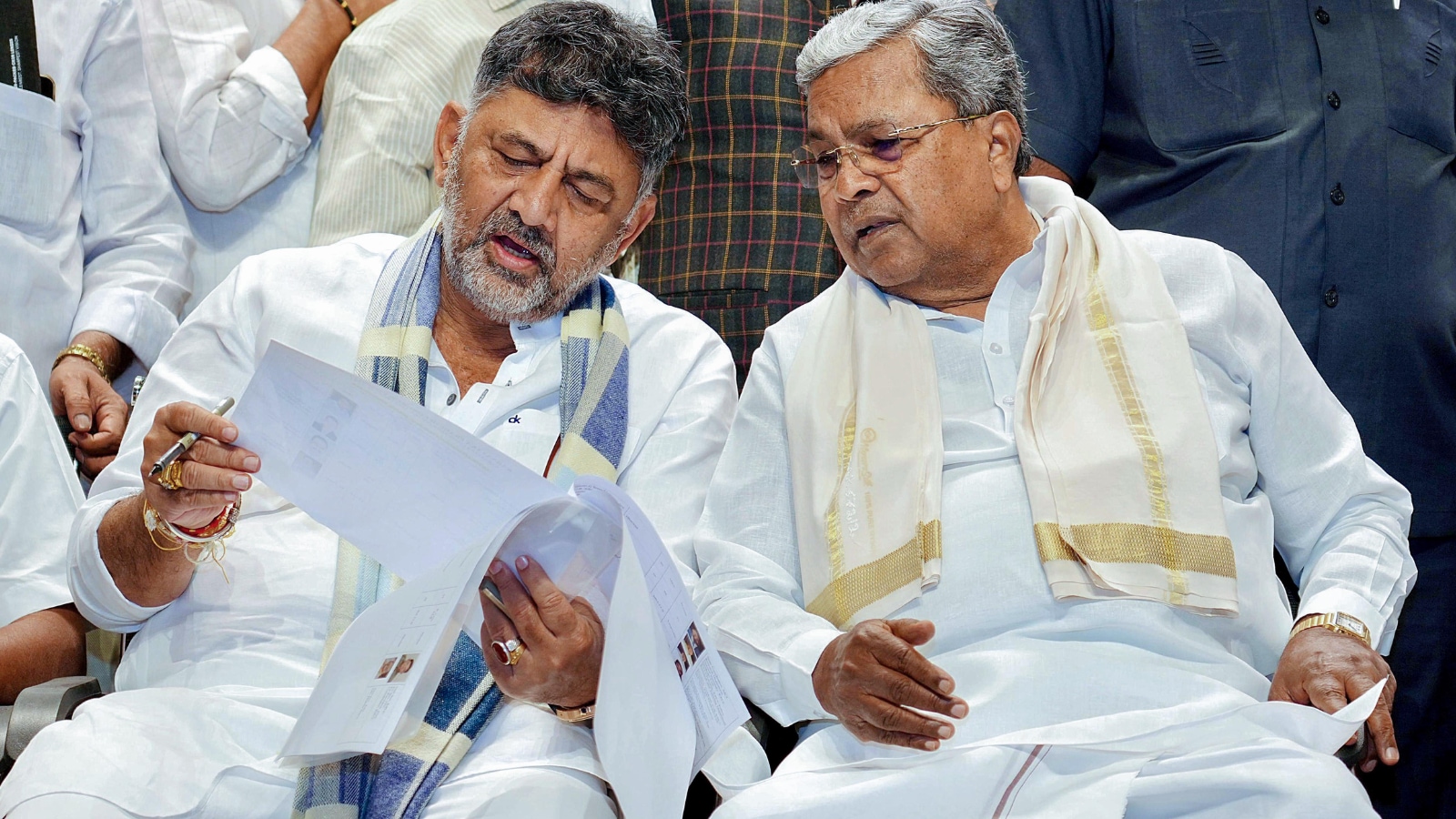
Chandigarh, India – A political firestorm has erupted in Punjab over a proposal by the central government to bring the shared capital of Punjab and Haryana under direct federal control. The move, framed as a simplification of the law-making process for the Union Territory (UT) of Chandigarh, has been met with fierce opposition from across the political spectrum in Punjab, who view it as an attempt to undermine the state’s historical claim to the city. The Union Home Ministry has since clarified that no bill would be introduced in the current parliamentary session and that consultations will occur.
The controversy centers on a proposed 131st Constitutional Amendment Bill that would place Chandigarh under Article 240 of the Constitution. This article empowers the President of India to directly legislate for certain Union Territories. If enacted, the amendment would likely result in Chandigarh having a separate administrator or Lieutenant Governor, replacing the current system where the Governor of Punjab also serves as the administrator of the UT. This change would align Chandigarh’s administrative structure with other Union Territories without legislatures, such as Lakshadweep and the Andaman & Nicobar Islands.




The implications for Punjab are significant. Chandigarh has been a point of contention since the partition of India in 1947, when Lahore, the former capital of Punjab, became part of Pakistan. In 1966, when Haryana was carved out of Punjab, Chandigarh became the joint capital of both states and was declared a Union Territory. While property was divided between the two states, Punjab has consistently asserted its claim over the city. Placing Chandigarh under Article 240 would fundamentally alter its constitutional status, transforming it from a shared capital to a centrally administered UT.
“A technical change, but a deeply political and emotional one,” said AAP spokesperson Neel Garg. He emphasized the symbolic importance of the Punjab Governor’s role as Chandigarh’s administrator, arguing that it signifies Punjab’s historical and constitutional primacy. For Punjab, Chandigarh represents a historical connection, a constitutional right, and a deep emotional attachment.

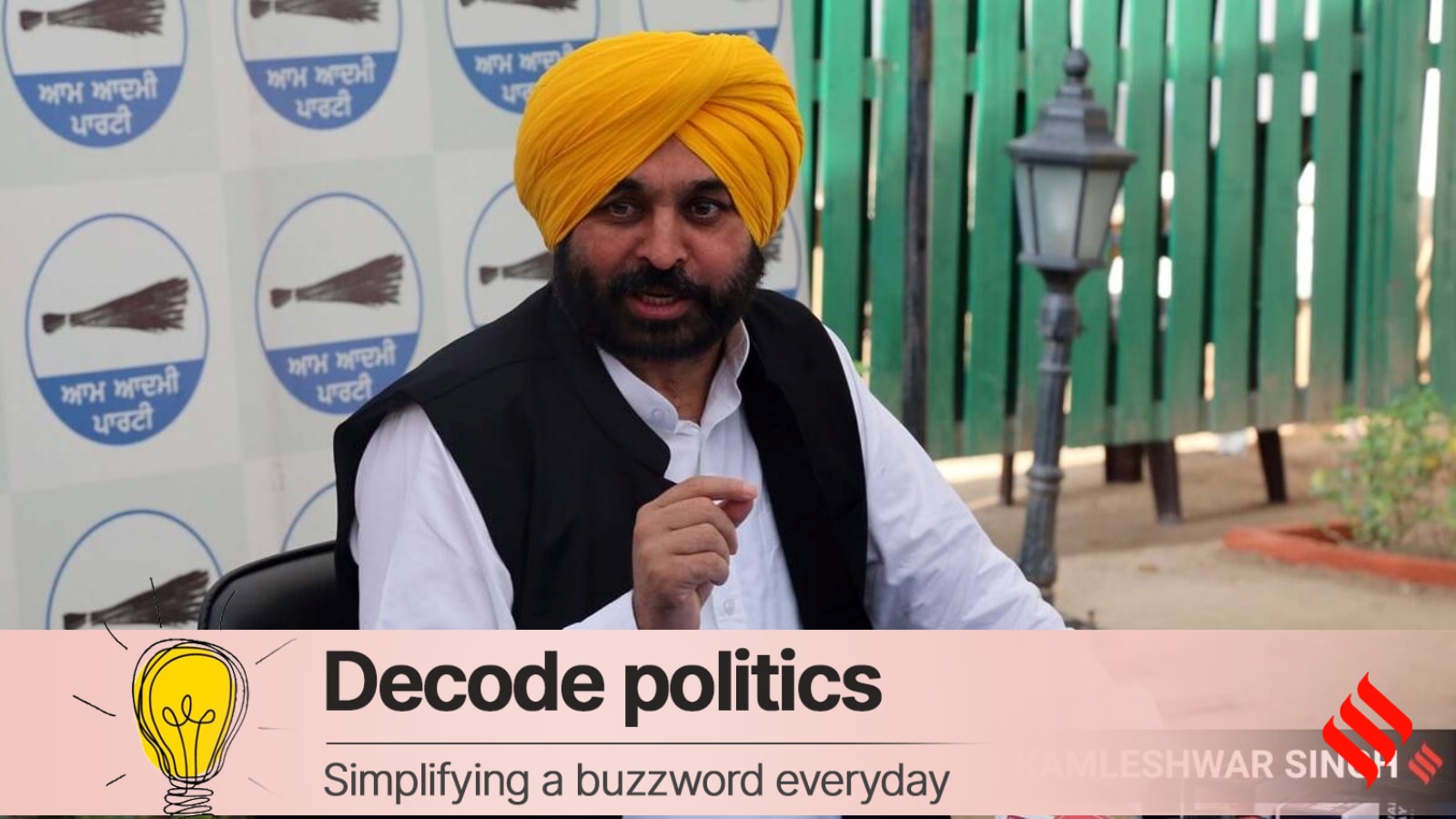
The backlash has been swift and unified. Punjab Chief Minister Bhagwant Mann of the Aam Aadmi Party (AAP) has condemned the proposal as “draconian.” Sukhbir Singh Badal, chief of the Shiromani Akali Dal (SAD), has labeled it an “assault on Punjab’s rights” and a violation of federalism. Even Amrinder Singh Raja Warring, Leader of the Opposition from the Congress party, has warned of serious repercussions if Chandigarh is “snatched” from Punjab.
The BJP, the ruling party at the center, finds itself in a delicate position. Sunil Jakhar, the BJP’s Punjab chief, has publicly stated his opposition to the move, emphasizing that the Punjab BJP stands firmly with the interests of the state. “Chandigarh is an integral part of Punjab, and the Punjab BJP stands firmly with the interests of the state whether it is the issue of Chandigarh or the waters of Punjab,” he stated on X, formerly known as Twitter. He assured the public that any confusion would be resolved through discussions with the government, reiterating that “for us, Punjab always comes first.”




This controversy is not an isolated incident. Tensions between the central government and Punjab have been escalating in recent months over issues perceived as attempts to weaken Punjab’s claim over Chandigarh and undermine federalism. On October 28th, the Centre proposed dissolving the Senate of Panjab University, a 59-year-old body with elected and nominated members, and replacing it with a smaller body dominated by ex-officio and nominated members. This move was widely criticized as an attempt to centralize control over the university and dilute Punjab’s stake in Chandigarh.
The water-sharing dispute with Haryana has also added to the strained relations. In May, Haryana sought additional water from the Bhakra dam, prompting a strong reaction from the Punjab government, which refused to comply. The situation escalated when Chief Minister Mann personally intervened to prevent the release of water, leading to protests and the deployment of central security forces at the dam, a move that Punjab vehemently opposed.
While the Union Home Ministry has attempted to quell the unrest by stating that a final decision has not been made and emphasizing the importance of consultations, the damage may already be done. The proposal has ignited deep-seated anxieties in Punjab about the erosion of its rights and autonomy, raising serious questions about the future of the relationship between the state and the central government.